



Three Fridays running, James and I end up at the same place.
Sometimes on even a random Tuesday, one of us will raise an eyebrow 😏 and we both know we’re heading to Kura Sushi.
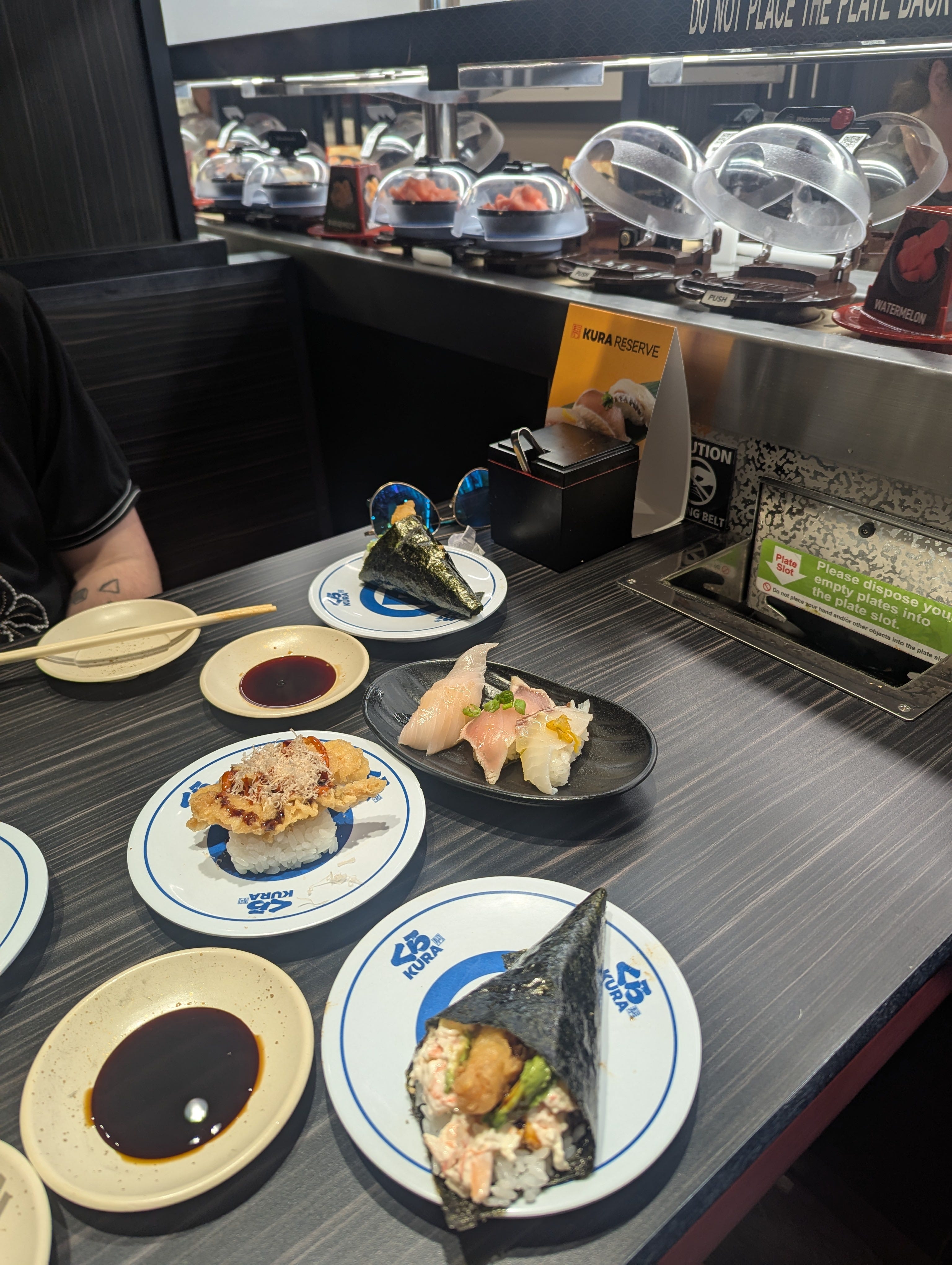
It’s funny how our favorite spots become rituals, like a shared language amongst the devoted.
Would you join a cult if it had conveyor belt sushi?
I might. When I think about it, it does have some…
Really good selling points:
Low barrier to entry: At the tap of an iPad I can have top tier nigiri bullet-trained directly to my face 🚄 That’s instant dopamine with the lowest effort needed.
Endless curiosity loop: Everything that’s gliding past me is daring me to try something new for only a few bucks. Making new things easily accessible.
Dirty-dish side quest (my favorite part): As you slide plates 5 and 10 into the table slot an animation kicks on and it becomes clear that only by polishing off 15 plates can you save the secret ramen recipe.
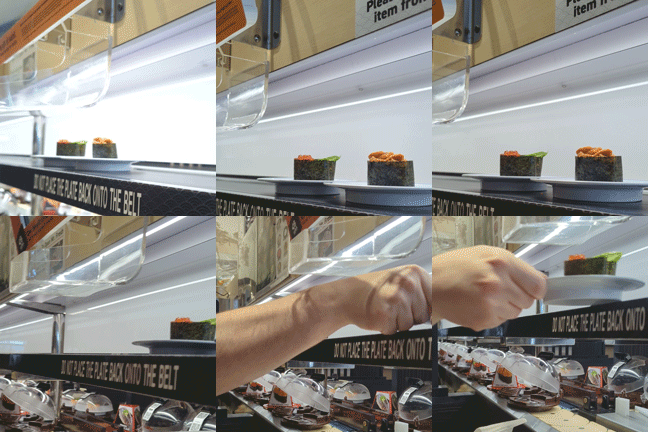
Now, let me describe how powerful this moment really is.
When we finally drop in that fifteenth plate, the screen nearly explodes with excitement, lights start flashing, a toy capsule drops from the heavens, and out pops a plastic sushi-cat keychain that can now be considered a family heirloom.
We cheer like we’ve secured world peace.
Reminder: this it the same motion as loading my dishwasher but somehow this restaurant slaps a level-up screen on it that makes it feel like I would clean dishes as a past time.
Meanwhile my dishwasher has no countdown, no confetti, no toy, it just growls and yells at me when we’re out of rinse aid. I think this is…
What made the customer journey a success:
Hooked me with story: “Hit fifteen, save the secret recipe.”
Kept my attention with positive feedback: Fast service, plate counter number milestone celebrations
Rewarded me: Fun mystery capsule that suddenly feels priceless
An unknown reward
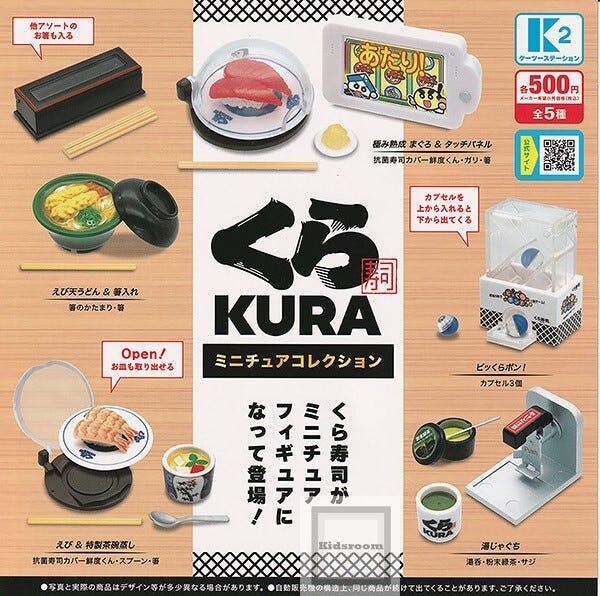
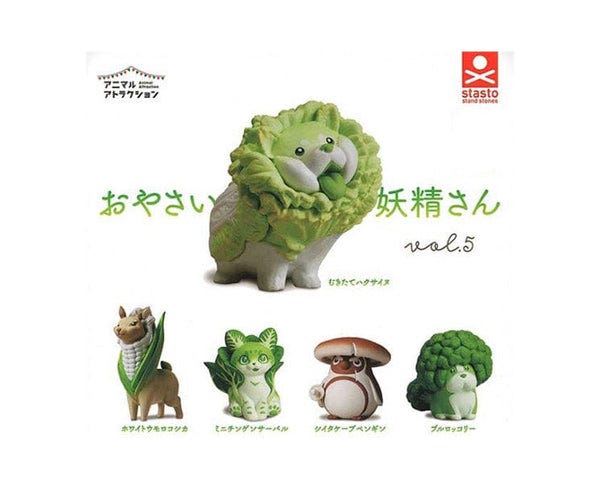
Kura Sushi isn’t the only one in on the game, game. Surprise toy capsules are majorly popular right now. James and I had so much fun collecting these on our honeymoon and opening them when we got home.
In Japan, centers with thousands of coin operated turnstiles spew out objects from animal vegetable fairies to a mini versions of toy capsule machines.
What keeps people coming back?
Is it just the good ramen-loving Samaritan in me to wants to save the secret recipe?
Maybe.
But besides the fact that humans love gambling, and most like competition, I think our brains rarely get to just idle while we reap benefits.
We’re always processing, deciding, remembering. That’s productivity in disguise, not rest, and our battery never really charges.
When I think of why I reach a flow state five plates in is because of the low stakes loop.
Low stakes loops feel good:
Zero decision drag: Making the action is automatic; your brain slips into low-power mode. You’re saving the world while eating sushi.
Built-in micro-wins: Each plate delivered and dropped intro the wash slot pings dopamine, so you feel progress without the effort.
True idle time: With attention on cruise control, your mental cache clears.
If you skip that idle time (like many of us do) your battery never tops up and you never actually feel recharged. Let yourself idle and you can come back at 100 percent.
That’s why the fifteen-plate sushi side quest feels empowering, not gluttonous.
That’s the difference: if you bolt a little story and a visible progress bar onto a boring task it suddenly becomes memorable enough to pull people back in for more.
It isn’t just the sushi that keeps us coming back—it’s the fulfillment of the experience itself.
That three-second dopamine hit turns dinner into a ritual and your dinner date into a teammate.
I mean, when was the last time a brand actually made you feel fulfilled? To be fair we’ve all seen…
Proof that low-effort loops work
Take a look at…
Consumer brands
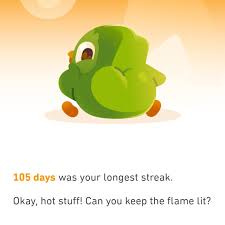
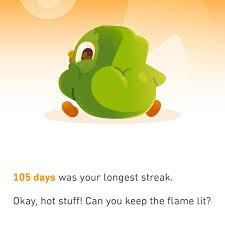
Duolingo: Something like 46 million daily users protect a flame that lives only twenty-four hours without them.
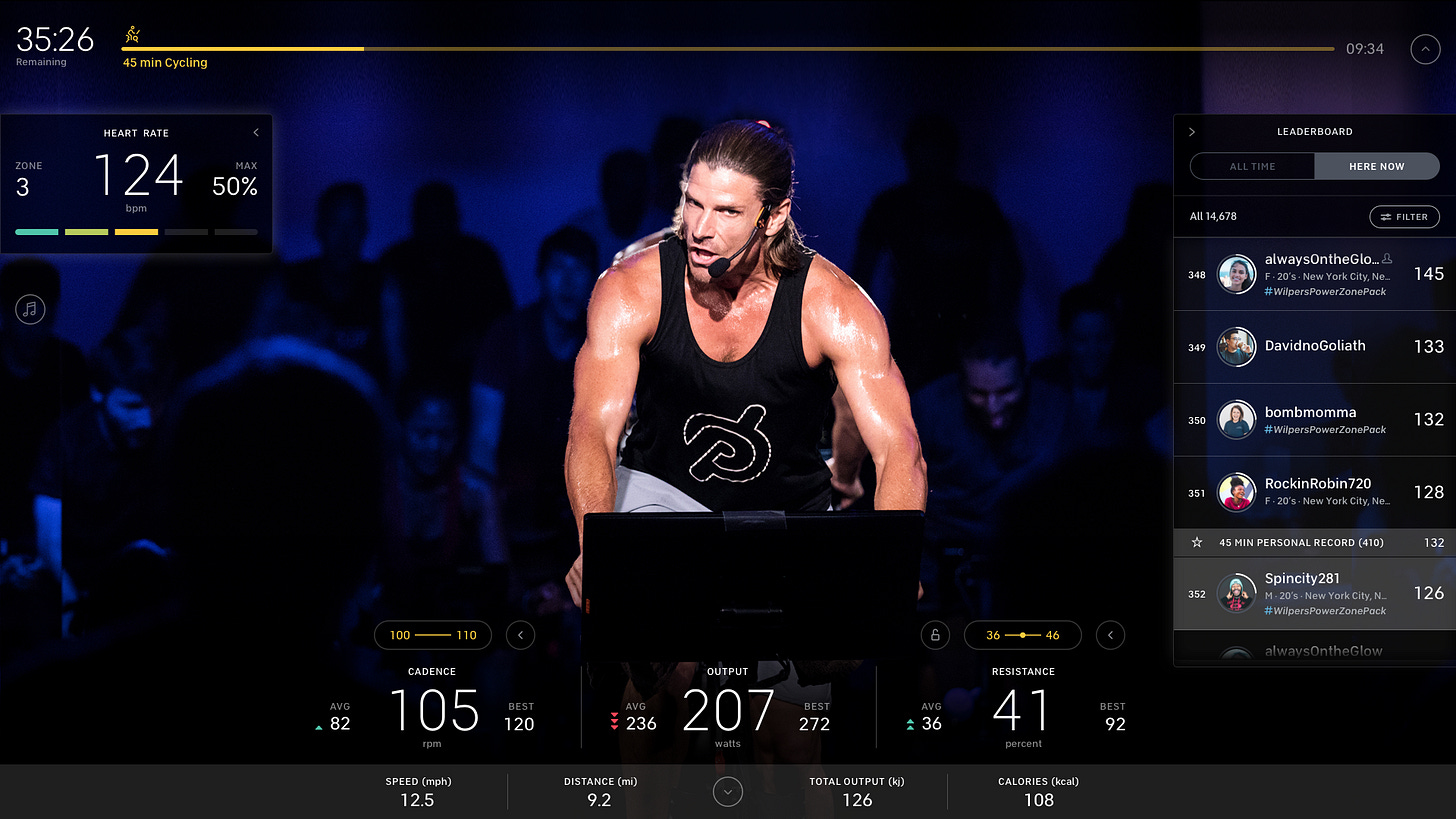
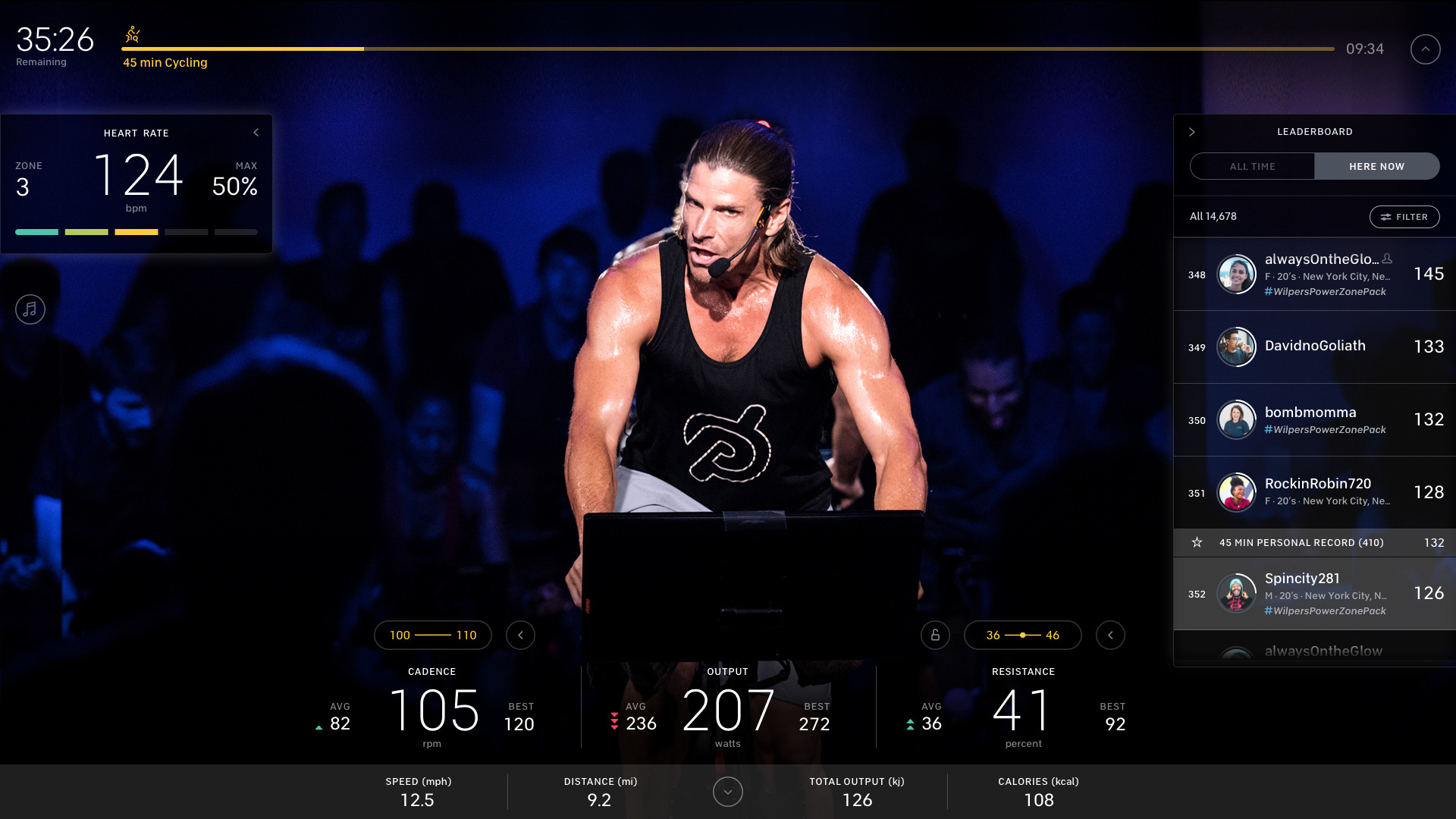
Peloton: A live leaderboard glues riders to the screen and pushes churn below industry norms.
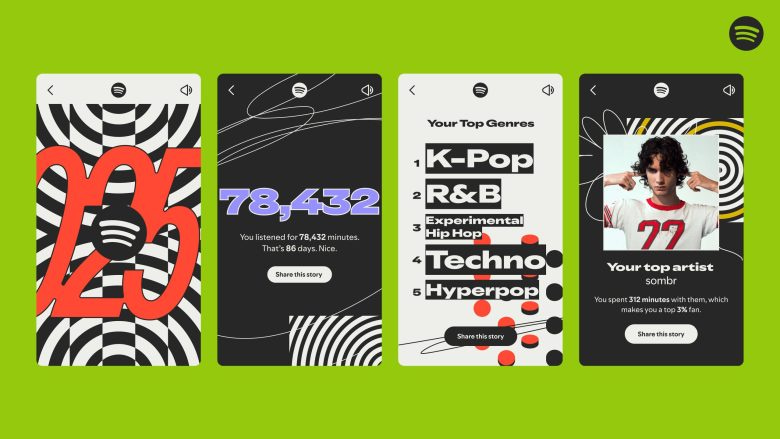
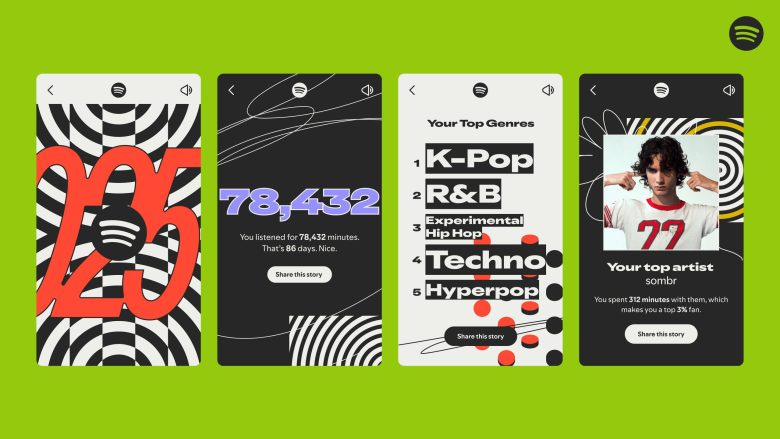
Spotify: People listen all year to get their Spotify Wrapped report and compare it amongst their friends, family, and followers.
B2B brands
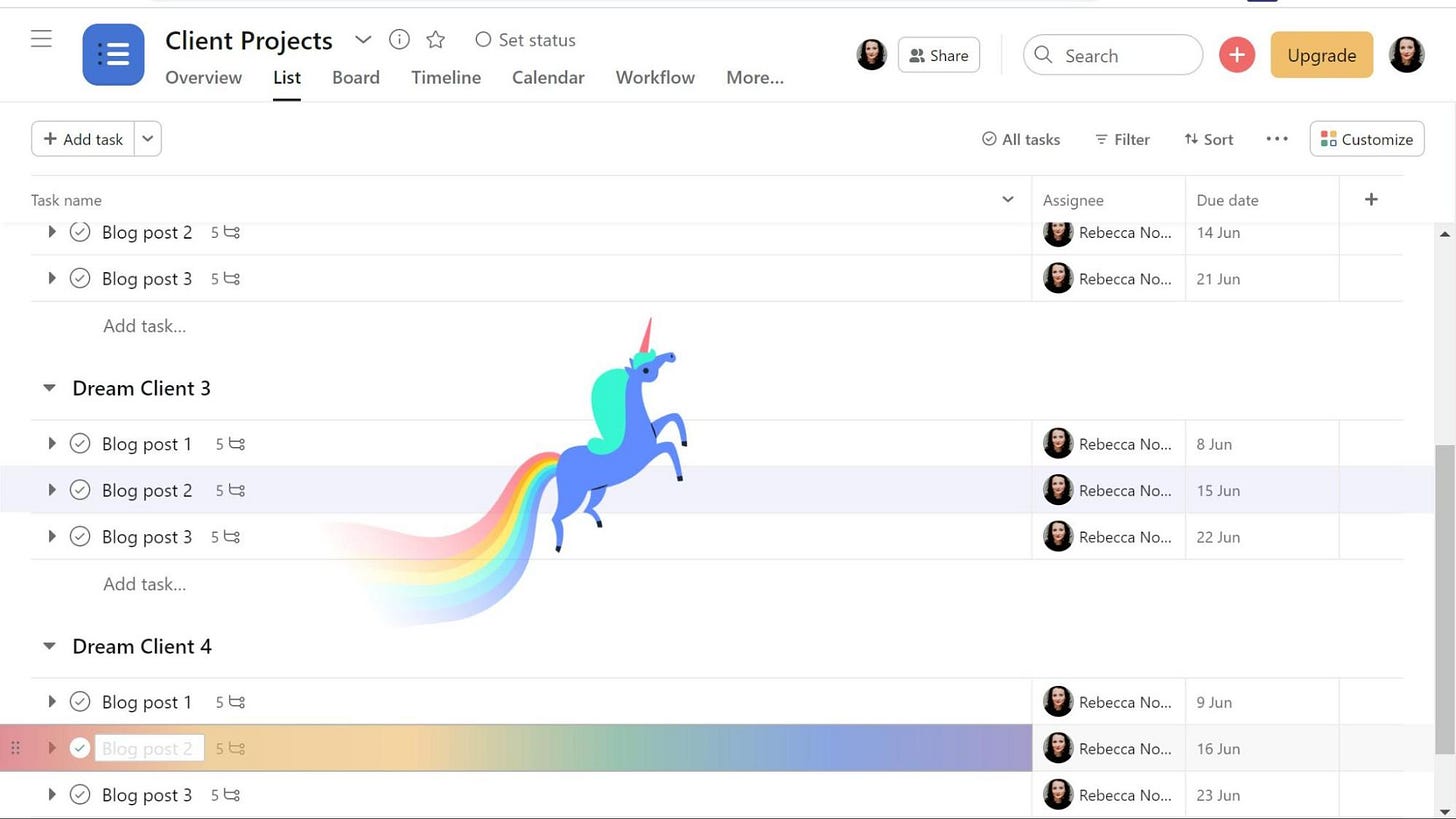
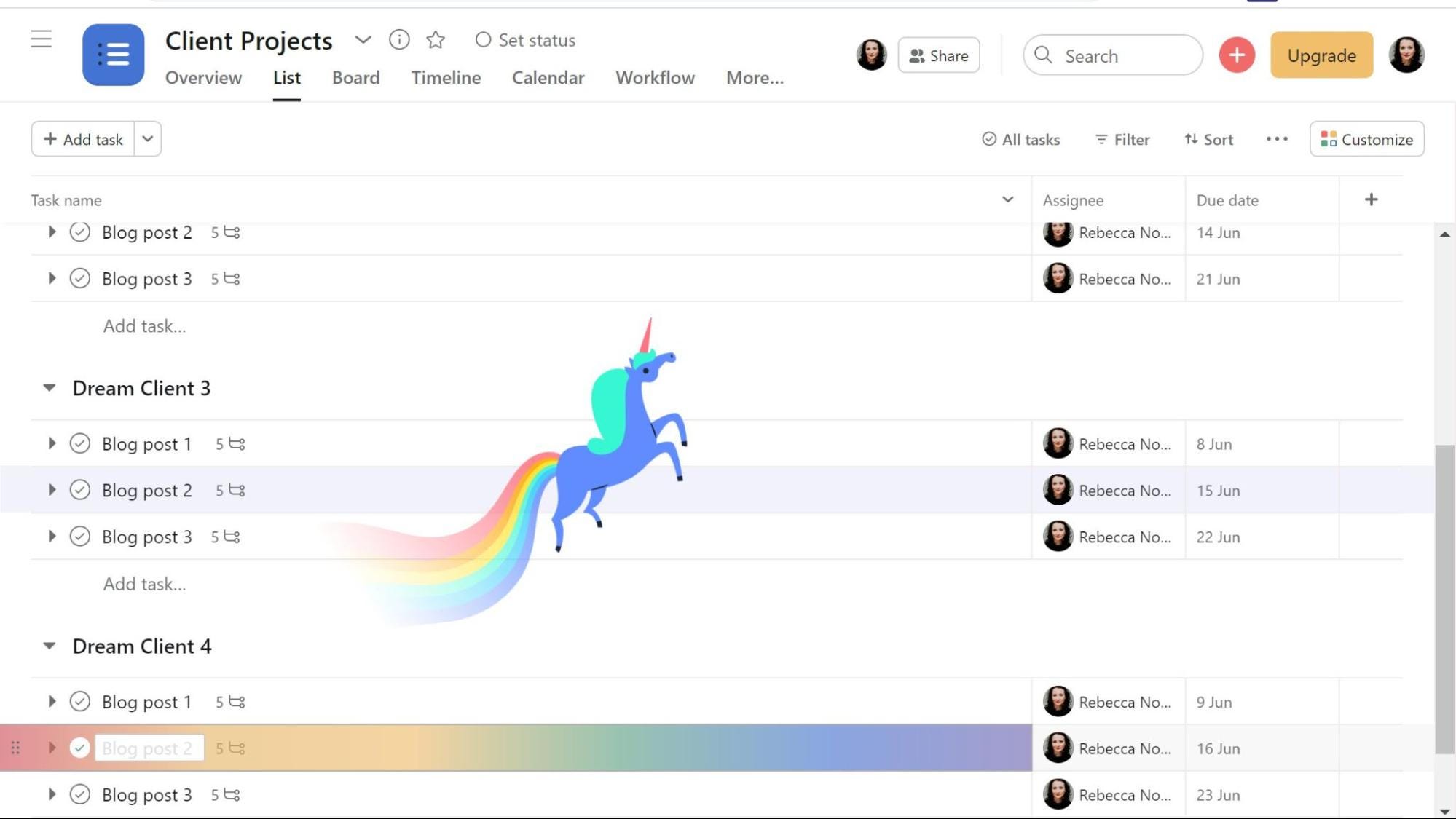
Asana: When you complete a task a unicorn soars across the screen. They almost got rid of the feature but users begged the team to keep it.
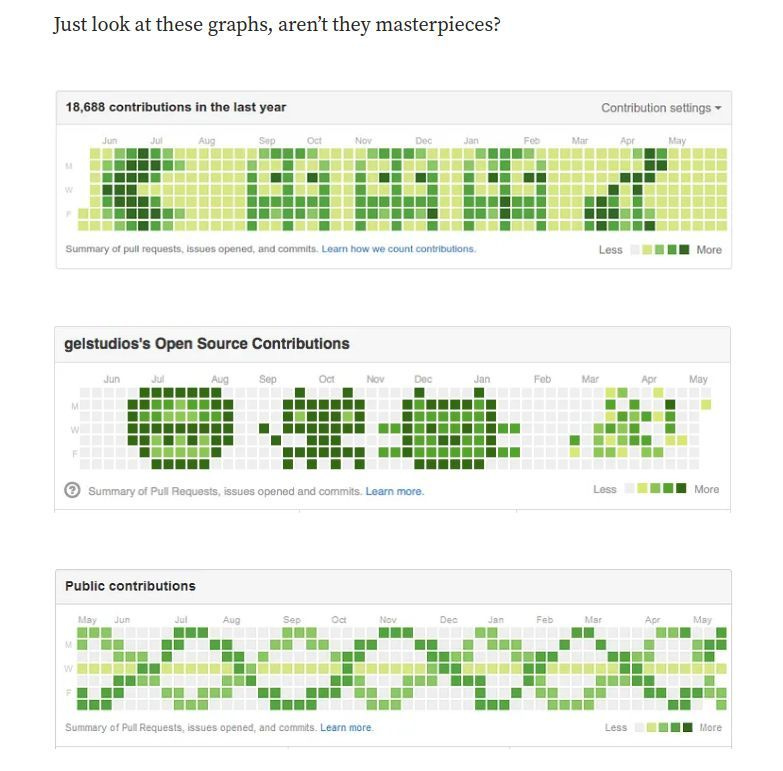
GitHub: Green pixel grids turn commit logs into brag-worthy artwork. Break the chain and everyone sees.
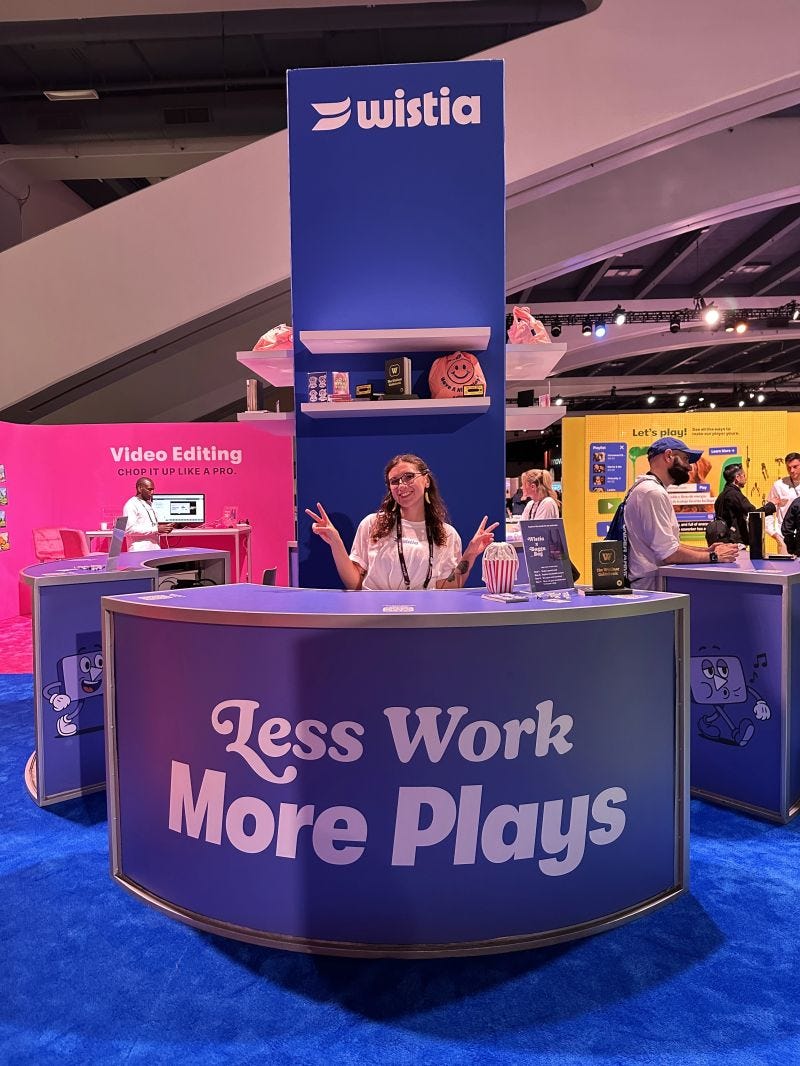
Wistia: Gamified a conference booth with punch cards that earned players exclusive swag if they visited multiple corners to learn about the product. People were so excited by this concept and I had the fun job of handing out the cool swag to the winners.
Same mechanic, different conveyer belts
mundane task
+
gamified micro-progress
+
reward
=
people return (and recruit friends) on autopilot
How to create low effort, high impact experience loops
Spot the slog: Identify where people stall
Slice it thin: Break the task into easily achievable micro actions
Add a bite-size reward: sound, badge, progress ring
Name the ritual: “Streak,” “Plate-count,” “Karma”
Show it off: leaderboards, takeaway capsule toys, custom yearly recap
Let it loop: Step back and watch the plates stack
I believe life can be more fun when we’re bored
I feel like this whole low stakes loops thing doesn’t stop in the marketing world or at the sushi bar. It’s probably even more useful in our day to day lives.
Like, have you ever turned your hamper into a basketball hoop? Or packed your dishwasher like it’s Tetris?
Bottom line: thinking what you have to say is too “boring” to break through as a memorable experience is just an excuse.
Don’t be afraid of being boring. It only shines on opportunities to make your own fun.
All this talk about sushi is making me veryyyy hungry. Maybe I’ll get Kura Sushi for lunch… I should let you go!
Until next time, may your plates keep sliding and your ideas keep rolling.
Talk to you soon, byeeee!


